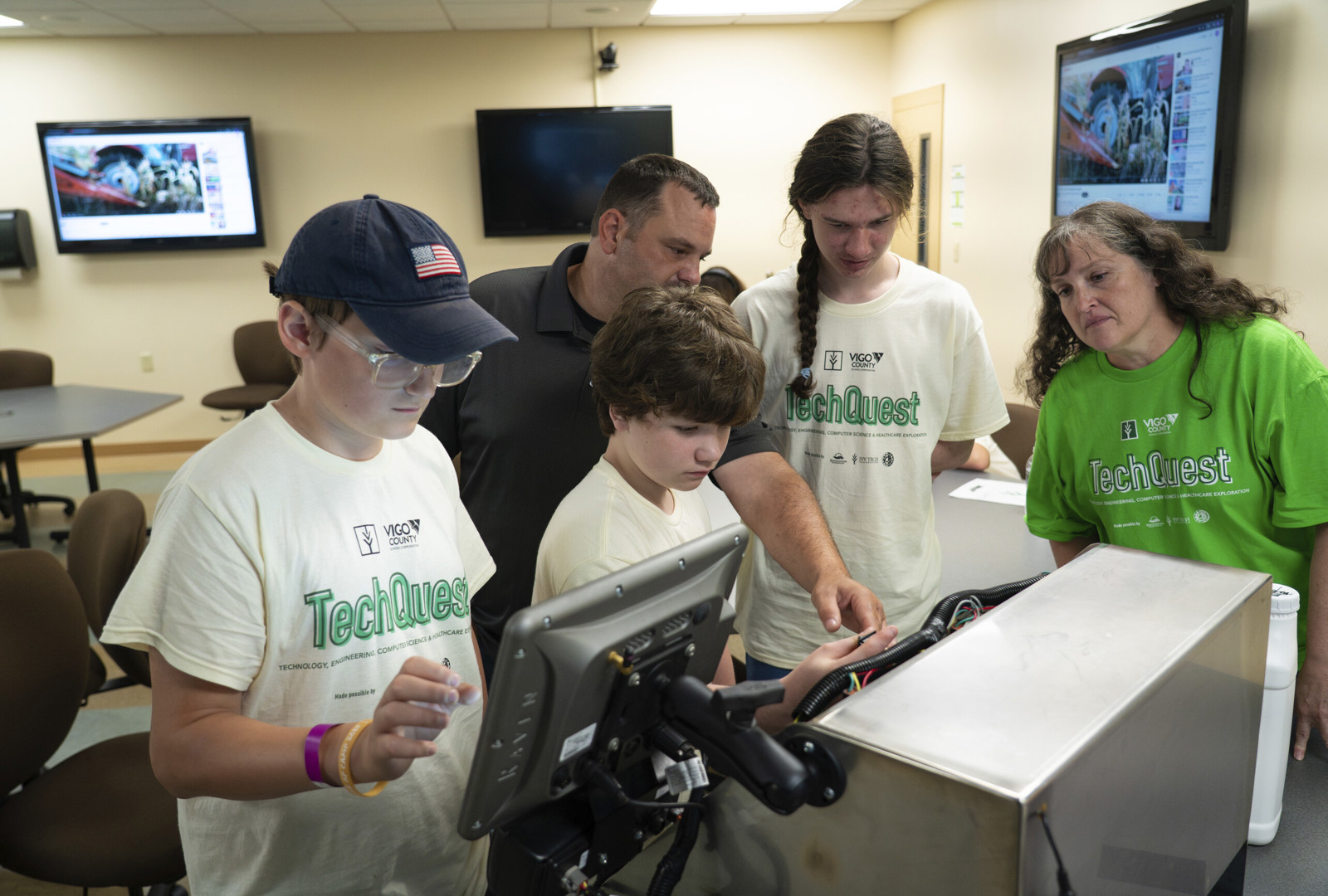
Workers gather in a semi-circle near the equipment bay, hard hats on, coffee in hand. A supervisor pulls out a laminated sheet—today’s topic: electrical hazards during lockout/tagout procedures. For the next ten minutes, the team talks through recent near-misses, asks questions, and confirms understanding. This isn’t just another meeting. It’s a training toolbox talk in action—and it’s saving lives.
Despite their simplicity, training toolbox talks are among the most effective tools for reinforcing safety behavior, preventing accidents, and closing the gap between policy and practice. Yet too many organizations treat them as check-the-box exercises, missing their true potential. When done right, these brief, focused sessions build awareness, encourage accountability, and transform safety from a top-down mandate into a shared responsibility.
Here’s why training toolbox talks are not just important—but essential.
What Exactly Is a Training Toolbox Talk?
A training toolbox talk is a short, informal safety meeting—usually 5 to 15 minutes—held at the jobsite before work begins. It focuses on a specific hazard, procedure, or safety topic relevant to the day’s tasks. Unlike formal classroom training, these talks are practical, interactive, and grounded in real work conditions.
They’re called “toolbox” talks because they traditionally happen around the worksite toolbox, but today they occur on construction sites, in manufacturing plants, during field service operations, and even in remote team huddles.
Key Features of Effective Training Toolbox Talks:
- Brief and timely: Aligned with current work activities
- Interactive: Encourage questions, discussion, and worker input
- Relevant: Tied to real tasks, equipment, or hazards
- Documented: Attendance and topics recorded for compliance
- Led by trained supervisors or safety officers
These talks serve as a frontline reinforcement of safety protocols, bridging the gap between formal training and daily practice.
Preventing Accidents Before They Happen
Most serious incidents don’t happen out of nowhere. They’re preceded by near-misses, miscommunications, or overlooked risks—many of which could have been caught in a well-run toolbox talk.
Consider this: a worker preparing to operate a forklift hasn’t been formally trained on the new model, but no one realizes it until the supervisor brings up “equipment operation” in that morning’s talk. A quick check reveals the gap. Training is scheduled. An accident is avoided.
Real-World Example: The Fall That Didn’t Happen
At a mid-sized construction firm in Texas, a crew was setting up scaffolding on the third floor of a commercial build. During the toolbox talk, a worker mentioned the guardrail on one side hadn’t been secured. The supervisor paused work, inspected, and found loose couplers. The issue was corrected before anyone stepped onto the platform.
Later, an engineer confirmed the scaffolding could have collapsed under load. That one conversation—prompted by routine training engagement—prevented a potentially fatal fall.
The Ripple Effect of Proactive Discussion

When workers talk through risks before starting a task, they: - Identify hazards others might miss - Clarify confusing procedures - Reinforce correct PPE usage - Share on-the-ground insights that manuals often overlook
This real-time risk assessment is something no annual training seminar can replicate.
Reinforcing Formal Safety Training
Formal safety training—like OSHA 30-hour courses or machine-specific certifications—is vital. But knowledge fades. Without reinforcement, even well-trained employees can develop risky shortcuts or forget critical steps.
Toolbox talks act as “booster shots” for safety knowledge. They keep key messages fresh and contextually relevant.
Bridging the Training-Application Gap
Imagine a warehouse team that completed forklift safety training six months ago. Since then, turnover has occurred, and new loading procedures were introduced. A monthly training session won’t catch all the changes.
But weekly toolbox talks on topics like: - Load capacity checks - Pedestrian traffic zones - Emergency shutdown steps …ensure that safety remains top of mind.
These micro-learning moments adapt training to evolving conditions, making them more effective than one-off sessions.
Building a Culture of Safety Ownership
One of the most underrated benefits of training toolbox talks is their role in shaping workplace culture. When workers are encouraged to speak up, ask questions, and contribute to safety discussions, they become active participants—not passive recipients.
Encouraging Worker Engagement
A talk that starts with, “Has anyone noticed anything unsafe this week?” does more than gather information. It signals that every employee’s observations matter.
At a mining operation in Nevada, supervisors began rotating who leads the toolbox talk. Junior operators now prepare and deliver short sessions. The result? A 40% increase in hazard reports and a noticeable shift in team accountability.
When people help shape the safety message, they’re more likely to follow it.
Common Mistakes That Undermine Impact
- Monologues instead of dialogues: Talking at workers kills engagement
- Using generic templates without customization: “Falls from height” means different things on a roof vs. a ladder
- Skipping talks during rush periods: High-pressure work is exactly when safety focus is needed most
- No follow-up: If hazards are raised but never addressed, workers stop speaking up
Avoiding these pitfalls turns routine talks into meaningful rituals.
Meeting Compliance and Reducing Liability
From OSHA to provincial regulators, most jurisdictions require documented safety training and hazard communication. Toolbox talks serve as both a compliance tool and a legal safeguard.
How Documentation Protects Organizations
In the event of an incident, regulators will ask: - Was training provided? - Were risks communicated? - Did employees understand the hazards?
Regularly documented toolbox talks provide auditable proof that the employer is actively managing risk.
A construction company in Ohio avoided significant fines after an inspection because they could produce signed attendance logs for over 200 toolbox talks in the past year—each tied to specific tasks and hazards.
What to Document:

| Element | Why It Matters |
|---|---|
| Date and time | Proves consistency |
| Topic covered | Shows relevance to work |
| Attendees | Confirms engagement |
| Supervisor name | Establishes accountability |
| Notes or action items | Demonstrates follow-up |
This isn’t just paperwork—it’s risk management.
Adapting to Diverse Workforces and Environments
Today’s workplaces are more diverse than ever. Teams may include multilingual workers, temporary staff, or remote crews. A rigid, one-size-fits-all approach to safety training fails these groups.
Toolbox talks offer flexibility.
Practical Adjustments for Inclusivity
- Translation: Use bilingual facilitators or translated handouts
- Visual aids: Photos, diagrams, and videos improve comprehension
- Hands-on demos: Show, don’t just tell—especially for procedural topics
- Rotating facilitators: Empower workers to lead in their native language
A solar installation crew in Arizona uses picture-based talking points for Spanish-speaking team members. The supervisor points to images of PPE, fall protection, and electrical warnings—ensuring everyone understands, regardless of literacy level.
This adaptability makes training toolbox talks one of the most inclusive safety tools available.
Integrating Toolbox Talks Into Daily Workflow
The best safety programs don’t disrupt work—they embed safety into it. The key is integration, not addition.
Tips for Seamless Implementation
- Schedule talks at natural start points: Pre-shift, pre-task, or during equipment warm-up
- Keep it short: Respect workers’ time—10 minutes is enough
- Use real incidents: Near-misses or close calls make powerful teaching moments
- Rotate topics weekly: Cover everything from fire safety to mental health
- Link to permits or JSA: Align talks with job safety analyses or confined space entries
One manufacturing plant ties each toolbox talk to that day’s production line changeover. When switching from metal stamping to assembly, the talk focuses on the different hazards and PPE requirements.
This contextual relevance boosts retention and compliance.
Measuring the Impact of Your Talks
You can’t improve what you don’t measure. While toolbox talks are qualitative by nature, smart organizations track their effectiveness.
Key Metrics to Monitor
- Attendance rates: Are people showing up consistently?
- Hazard reports: Is participation leading to more near-miss submissions?
- Incident trends: Are repeat violations decreasing?
- Employee feedback: Do workers feel safer and more informed?
A utility company in Canada uses a simple post-talk survey: “Did today’s toolbox talk help you do your job more safely?” Yes/No. Over time, 89% of responses were “yes”—a clear indicator of value.
Use data to refine topics, timing, and delivery methods.
Make Training Toolbox Talks a Non-Negotiable
Safety isn’t created by posters on a wall or binders on a shelf. It’s built in moments—brief, focused, human conversations where risks are named, questions are asked, and everyone walks away a little safer.
Training toolbox talks are not “nice-to-have.” They’re a frontline defense against injury, error, and liability. When done consistently and with intention, they do more than educate—they instill vigilance, build trust, and create a culture where safety is everyone’s job.
Start tomorrow: pick a high-risk task, gather your team, and talk through it. No slides. No jargon. Just real talk about real risks. That’s where safety begins.
Frequently Asked Questions
Why are they called toolbox talks? The term comes from construction crews gathering around the worksite toolbox to discuss safety before starting work. The name stuck, even in non-construction settings.
How often should toolbox talks be held? Ideally, weekly or before starting a new task. High-risk environments may require daily talks.
Who should lead a toolbox talk? Supervisors, safety officers, or trained team leads. Rotating facilitators can increase engagement.
Can toolbox talks replace formal training? No. They reinforce formal training but don’t substitute for certified or in-depth courses.
What topics should be covered? Common topics include PPE, fall protection, electrical safety, chemical handling, ergonomics, and emergency procedures.
Should toolbox talks be documented? Yes. Records of attendance, topics, and key points help with compliance and continuous improvement.
Can virtual teams have toolbox talks? Absolutely. Remote teams can hold them via video call, focusing on workplace ergonomics, cybersecurity, or travel safety.
FAQ
What should you look for in Why Training Toolbox Talks Matter in Workplace Safety? Focus on relevance, practical value, and how well the solution matches real user intent.
Is Why Training Toolbox Talks Matter in Workplace Safety suitable for beginners? That depends on the workflow, but a clear step-by-step approach usually makes it easier to start.
How do you compare options around Why Training Toolbox Talks Matter in Workplace Safety? Compare features, trust signals, limitations, pricing, and ease of implementation.
What mistakes should you avoid? Avoid generic choices, weak validation, and decisions based only on marketing claims.
What is the next best step? Shortlist the most relevant options, validate them quickly, and refine from real-world results.