Urban sprawl meets digital ambition in 2026, as city building games evolve beyond pixelated grids into immersive, dynamic ecosystems. No longer just about placing roads and zoning districts, the latest wave of city builders leverages AI-driven populations, climate modeling, and real-time feedback loops to deliver experiences that blur the line between game and urban planning tool. Players aren’t just mayors—they’re chief resilience officers, transit visionaries, and carbon strategists.
With advancements in procedural generation, cloud computing, and player agency, 2026 marks a turning point: the genre is maturing into something deeper, smarter, and more responsive than ever before.
Here’s what’s driving the evolution—and which titles are leading the charge.
The Rise of Dynamic City Ecosystems
Gone are the days when traffic AI consisted of looping sprites and static congestion timers. In 2026, top city builders simulate individual citizen routines, employment patterns, and even emotional states. Games now track not just where people go, but why they go there—and how policy shifts ripple through their behavior.
Take Urbanis: Evolution (Q2 2026), a flagship release from Finnish developer NovaGrid. Its population engine assigns every resident a job, housing preference, commute tolerance, and leisure profile. Close a downtown metro station? The game doesn’t just show red traffic lines—it logs increased absenteeism at nearby offices, rising retail vacancy, and a spike in bike-sharing sign-ups.
This level of depth transforms gameplay from pattern-based optimization to narrative-driven governance. Success isn’t just about population milestones; it’s about balancing livability, equity, and sustainability under pressure.
Common pitfall: Over-automating early-game infrastructure. New players often zone massive residential blocks before securing water, power, or jobs—dooming their city to abandonment waves. The fix? Start small, validate demand, and scale incrementally.
Top 5 City Building Games to Watch in 2026
These are the titles redefining the genre, combining innovation with deep simulation roots.
| Game Title | Developer | Release Window | Key Innovation |
|---|---|---|---|
| Urbanis: Evolution | NovaGrid | Q2 2026 | AI citizen modeling, climate adaptation layers |
| Skyward Cities | Aether Interactive | Q1 2026 | Vertical city building on floating platforms |
| TerraFormers | Red Sands Studio | Q3 2026 | Planet-scale terraforming with ecological feedback |
| Metropia Direct | CivicSoft | Late 2026 | Real-world city replication with live data sync |
| NeoSuburbia | Pixel Hearth | Q2 2026 | Post-suburban redesign, walkability focus |
Let’s break down what each brings to the table.
#### Urbanis: Evolution – The Living City Simulator Urbanis doesn’t just simulate infrastructure—it simulates society. Citizens develop opinions on policies, form community groups, and protest poor governance. The game integrates a “Stress Index” that measures pollution, commute time, and access to green space. Exceed thresholds, and neighborhoods revolt—sometimes literally.
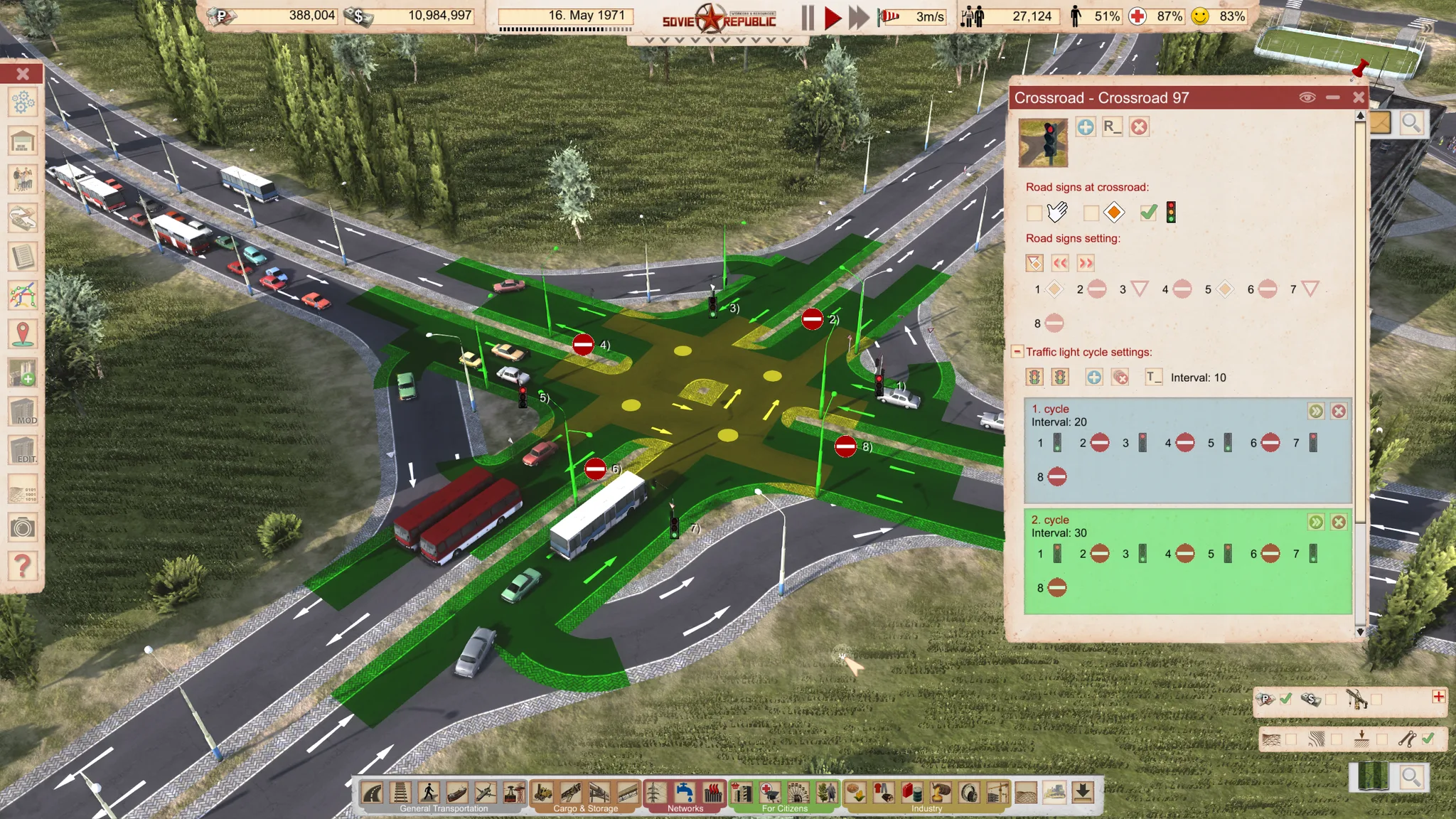
Realistic use case: A player enacts a high-density housing policy to reduce sprawl. But without expanded transit, commute times soar. The Stress Index spikes, leading to a citywide strike that halts construction. Lesson: density must be paired with mobility.
#### Skyward Cities – Building Up, Not Out Set in 2140, Skyward Cities challenges players to construct self-sustaining floating city platforms above a flooded Earth. Resources are limited, and structural integrity matters—overbuild one sector, and the entire platform tilts, destabilizing power grids.
The game introduces “buoyancy zoning,” where each module’s weight must be balanced across the platform. It’s city planning with physics—a fresh mechanical twist that rewards architectural creativity.
#### TerraFormers – Planet-Scale Urban Design TerraFormers isn’t about a single city. It’s about reshaping entire worlds. Starting with Mars-like barren terrain, players deploy atmospheric processors, hydro drones, and bio-domes to gradually support urban life.
The most compelling feature? Time acceleration. Speed through centuries of ecological change, then drop into real-time control when the first viable city site emerges. It’s a sandbox of patience and precision.
#### Metropia Direct – Your City, Simulated Backed by municipal data partnerships, Metropia Direct lets players rebuild real cities using live datasets. Import your hometown’s traffic flow, zoning laws, and pollution stats, then simulate policy changes—from congestion pricing to green corridors.
This isn’t just entertainment. Urban planning students at MIT are already piloting it as a teaching tool.
#### NeoSuburbia – Rewriting the American Dream NeoSuburbia flips suburban sprawl on its head. You don’t expand outward—you retrofit. Convert parking lots into mixed-use hubs, turn dead malls into community colleges, and retrofit homes for solar microgrids.
Its design philosophy leans into 15-minute city principles, forcing players to rethink convenience, density, and car dependency.
Design Trends Shaping City Builders in 2026
Three macro trends are redefining how these games are built—and played.
#### 1. Climate Realism Over Cosmetic Disasters Older games treated natural disasters as fireworks shows: dramatic but optional. Now, climate change is baked into core mechanics.
In Urbanis, sea levels rise gradually based on global emissions policies within the game. Build too much coastal infrastructure without sea walls? You’ll face recurring floods that degrade buildings and displace populations. Prevention isn’t a side quest—it’s essential strategy.
#### 2. Player as Policymaker, Not Just Planner The shift from “builder” to “leader” means games now emphasize trade-offs. Want to fund a new subway line? You’ll need to raise taxes, cut parks, or take on debt—each with social consequences.
TerraFormers even includes a UN-style council where players vote on global regulations affecting all colonies. Diplomacy becomes part of urban development.
#### 3. Modding as Standard, Not Exception 2026’s top titles ship with robust mod kits. Skyward Cities includes a node-based scripting tool that lets players design custom modules with unique functions—like a vertical farm that doubles as a school.
Community content is no longer just cosmetic. It’s expanding gameplay itself.
How to Choose the Right City Builder for You
Not all city games suit all players. Pick based on your preferred challenge.
| If You Want… | Try This Game | Why It Fits |
|---|---|---|
| Deep societal simulation | Urbanis: Evolution | Tracks citizen psychology, policy impact |
| Creative architectural freedom | Skyward Cities | Floating platforms enable vertical innovation |
| Long-term world shaping | TerraFormers | Century-scale terraforming with feedback loops |
| Real-world relevance | Metropia Direct | Syncs with live city data for accurate modeling |
| Grassroots urbanism | NeoSuburbia | Focus on retrofitting, walkability, community design |
Workflow tip: Always save before enacting major policy changes. Most games now offer “policy trial” modes—run a 6-month simulation of a tax hike or zoning shift before committing.
The Problem
With “Easy Mode” Cities
Many new players gravitate toward sandbox modes with unlimited funds and no disasters. But they’re missing the point.
Constraints breed creativity. Without budget limits, cities become shapeless blobs of inefficient sprawl. Without environmental pressure, players ignore sustainability.
The best learning happens in challenge mode. NeoSuburbia, for instance, locks players into a fixed budget for the first 15 years. You can’t just plop down a light rail system—you have to phase it, prioritize corridors, and justify ROI.
Limitations aren’t flaws. They’re design features.
Beyond Entertainment: City Builders as Learning Tools
It’s no longer hyperbole to say these games teach real skills.
- Urbanis is used in European policy workshops to model housing interventions.
- Metropia Direct integrates with GIS systems, allowing city planners to test traffic reroutes.
- TerraFormers has been cited in NASA outreach programs for teaching planetary science.
Even schools are adopting them. Eighth-grade geography classes in Toronto use NeoSuburbia to teach students about zoning, public transit, and green space equity.
The line between play and practice is fading.
What’s Next After 2026?
Expect tighter integration with real-world data, AI advisors that suggest policy tweaks, and multiplayer city regions where your metro interacts with others online.
Imagine coordinating transit networks across player-run cities in a shared province, or competing in carbon reduction challenges with global leaderboards.
The city builder isn’t just surviving—it’s growing smarter, more connected, and more relevant.
Start with one game. Master its systems. Then ask the hard questions: What makes a city livable? Just? Resilient? In 2026, the answers aren’t in textbooks—they’re in your next build.